Our Blog
-

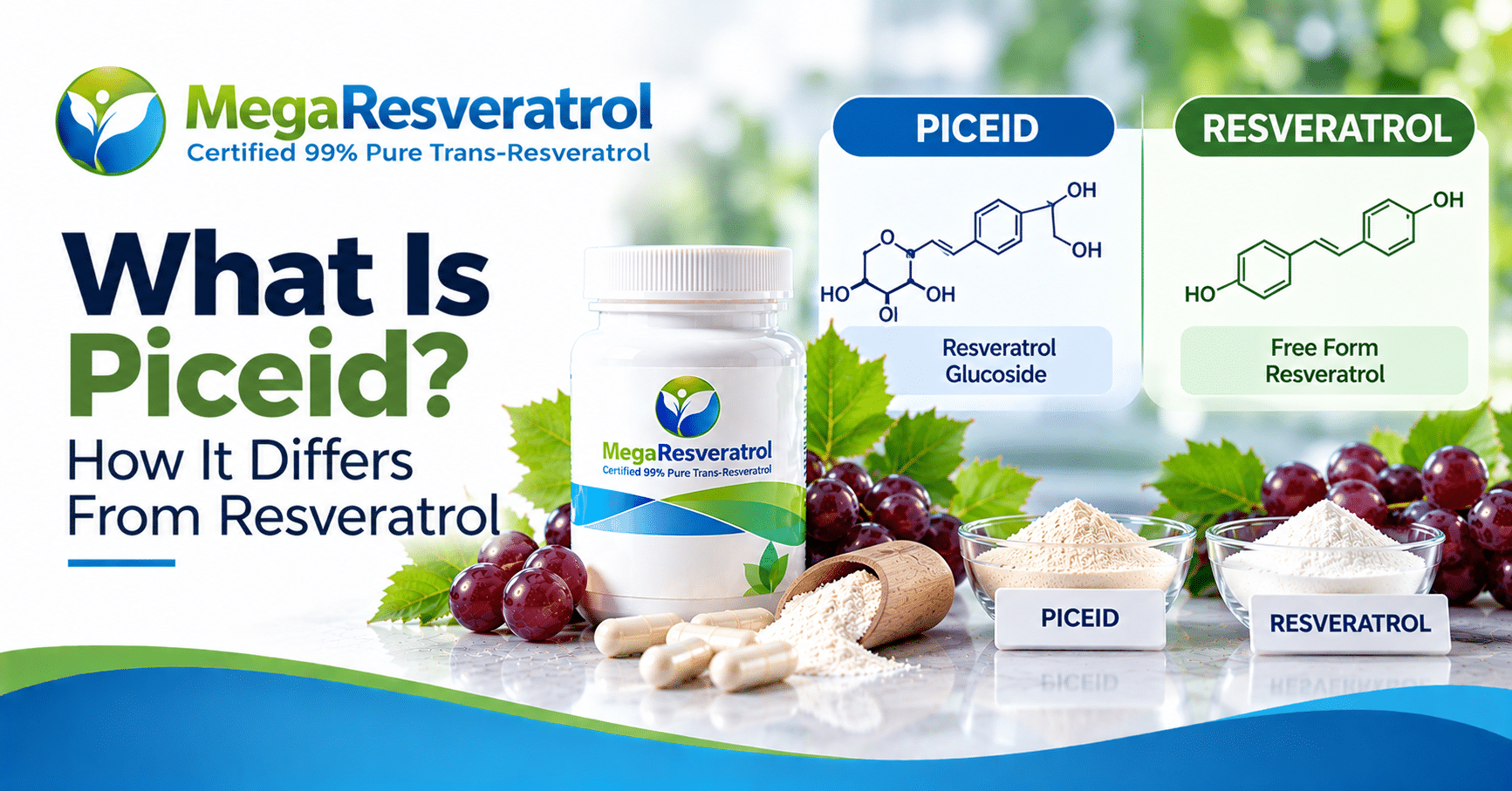
What Is Piceid? How It Differs From Resveratrol
Piceid is resveratrol with a glucose molecule attached. Chemically it is trans-resveratrol-3-O-β-glucoside, also sold under the name polydatin, and it is the most abundant natural form of resveratrol in foods such as grape skin and red wine. The body does not use it exactly like free trans-resveratrol: laboratory studies show that gut enzymes can cut…
-

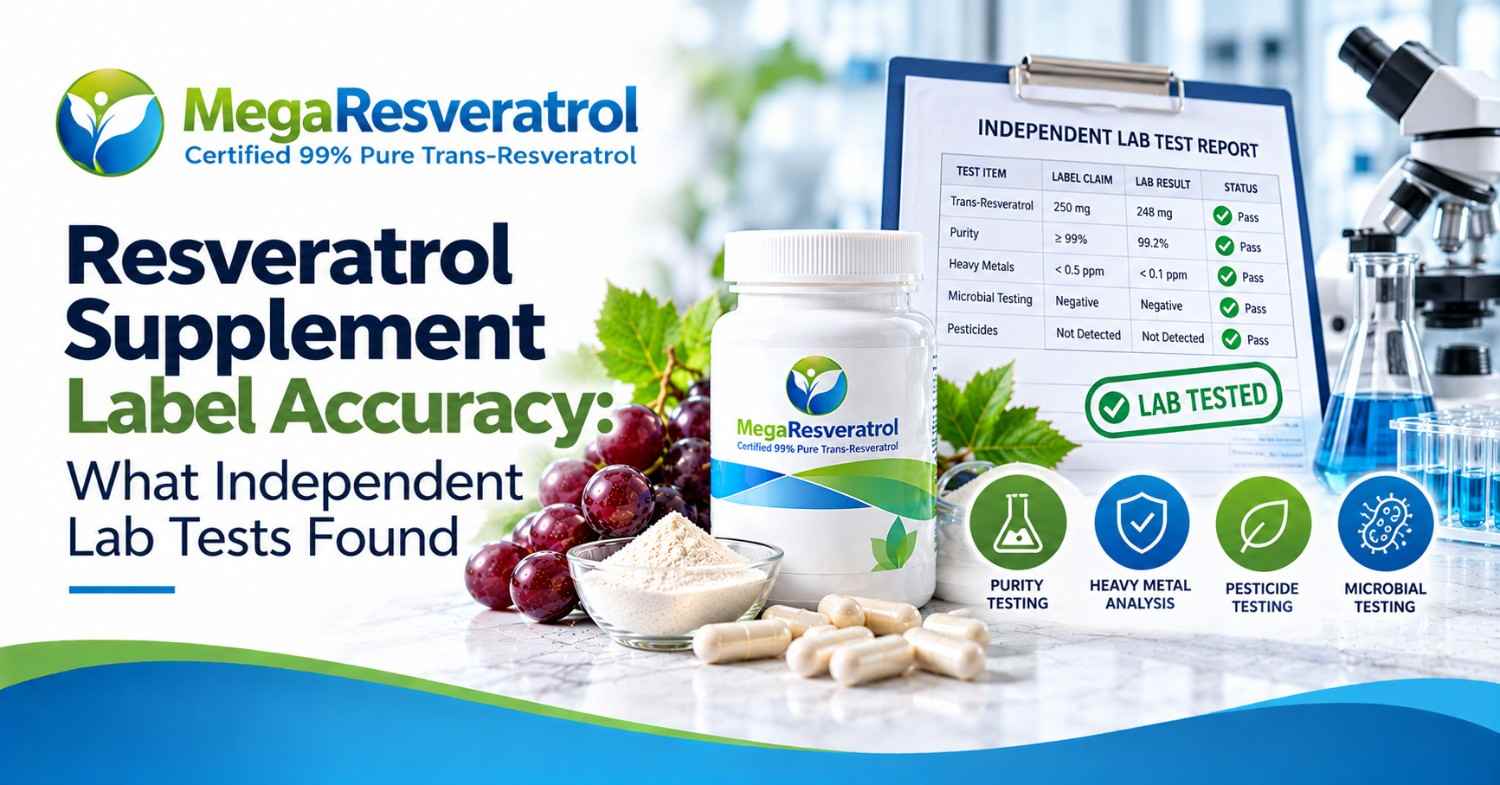
Resveratrol Supplement Label Accuracy: What Independent Lab Tests Found
Two peer-reviewed studies that tested resveratrol supplements against their own labels found that many did not contain what they claimed. In a 2012 analysis of 14 products bought online, only five contained 95-105% of the labeled trans-resveratrol. In a 2023 analysis of 20 products sold in European pharmacies and stores, only one matched its declared…
-
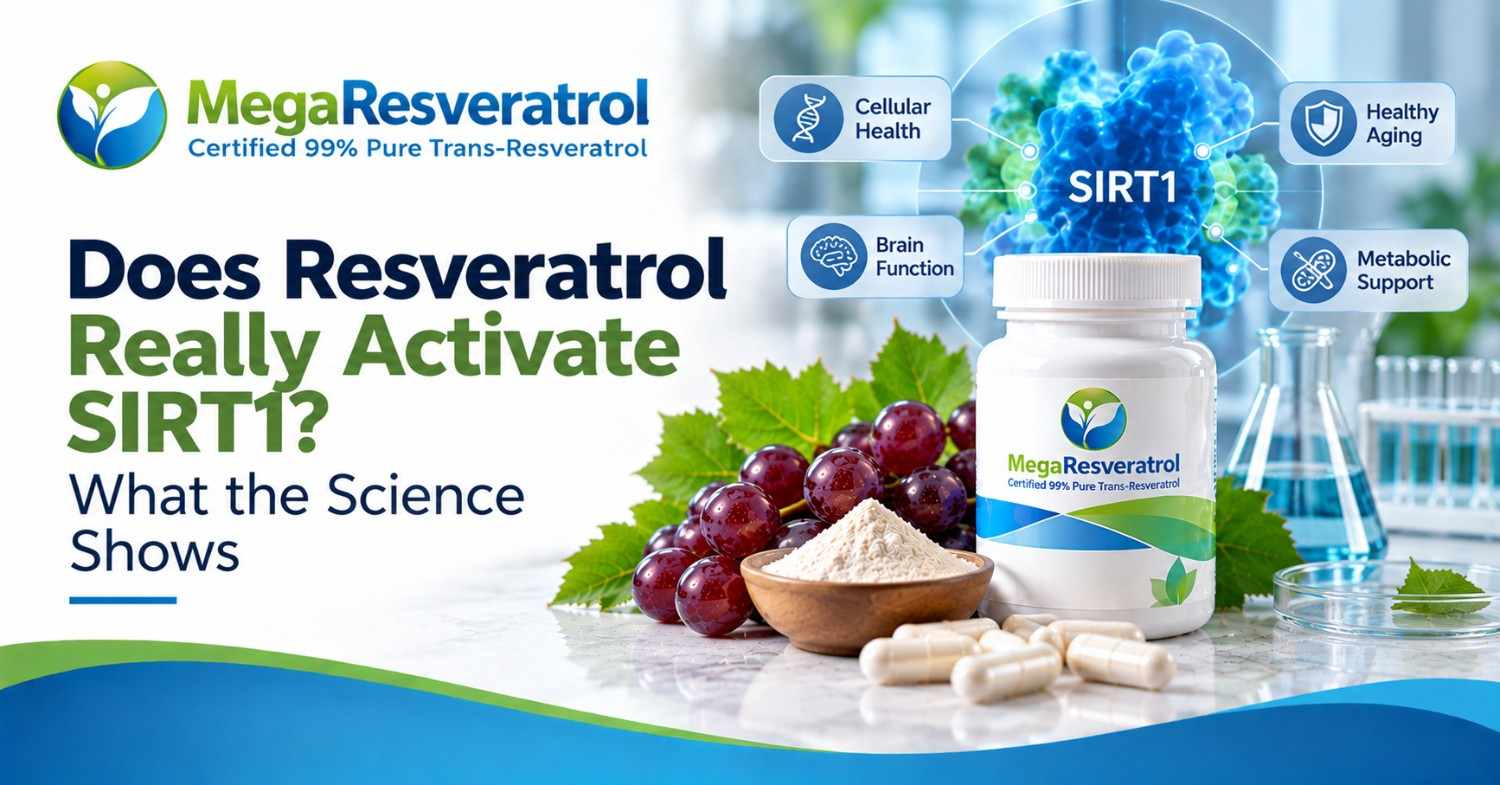
Does Resveratrol Really Activate SIRT1? What the Science Shows
Resveratrol is widely described as a “sirtuin activator,” but the science is less settled than that label suggests. Lab experiments disagreed for years over whether resveratrol activates the SIRT1 enzyme directly, a 2015 crystal-structure study found it does under specific conditions (with fluorescent-tagged test peptides but not with the natural peptides they tested), and a…
-
NMN vs. NR (Nicotinamide Riboside): What Human Trials Actually Show
NMN and nicotinamide riboside (NR) are both precursors the body converts into NAD+, and the first randomized trial to give healthy adults each of them directly found they raised whole-blood NAD+ by a similar amount. In that 2025 Nature Metabolism study (65 healthy adults, 1,000 mg per day for 14 days), NR raised NAD+ by…
-
Resveratrol Side Effects and Drug Interactions: What the Clinical Data Shows
At the doses most people take (around 500 mg to 1 g per day), resveratrol is well tolerated in clinical trials, and the NIH’s LiverTox database rates it “unlikely” to cause clinically apparent liver injury. The side effects that do appear are mainly gastrointestinal and dose-related, showing up at 2.5 g and 5 g per…
-
¿A Qué Hora Tomar Resveratrol? Guía Completa de Horario y Absorción
La mejor hora para tomar resveratrol es junto con una comida que contenga algo de grasa saludable, ya sea en la mañana o al mediodía. El horario exacto importa menos que dos factores: tomarlo todos los días de forma consistente y acompañarlo de alimentos con grasa, ya que el resveratrol es liposoluble y se absorbe…
-
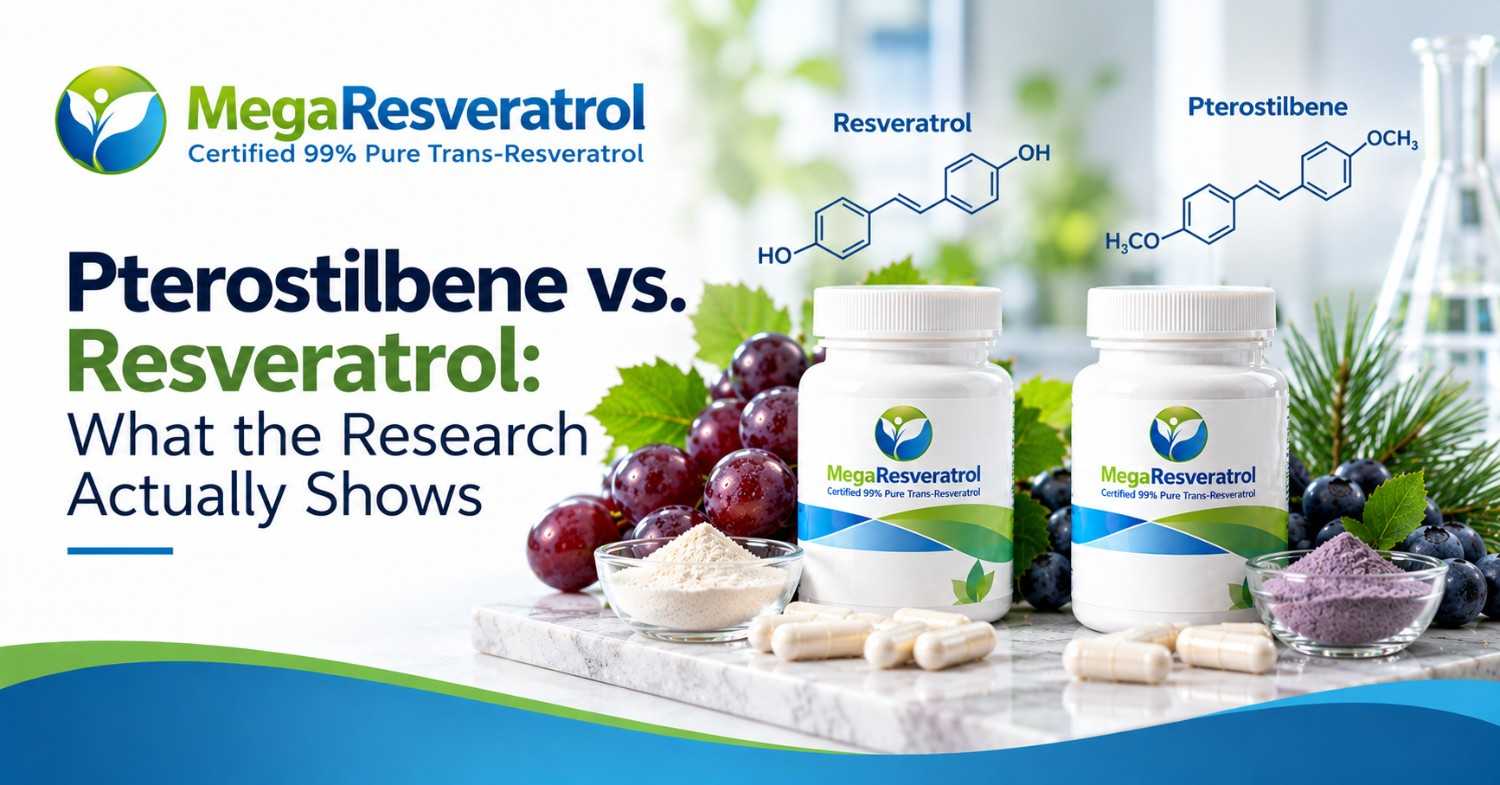
Pterostilbene vs. Resveratrol: What the Research Actually Shows
Pterostilbene is a close chemical relative of resveratrol – two methoxy groups instead of two hydroxyl groups – and that small structural difference gives it meaningfully better oral bioavailability, roughly 80% absorption versus about 30% for resveratrol. But the human clinical picture isn’t a simple “pterostilbene wins”: the one placebo-controlled trial that tested it in…
-
Does Resveratrol Affect Sleep? What the Research Actually Shows
Most controlled trials measuring resveratrol’s effect on sleep quality in generally healthy people found no significant difference compared to placebo. The one clear exception is a specific clinical population – hepatitis C patients undergoing interferon and ribavirin treatment, a regimen known to disrupt sleep – where resveratrol supplementation measurably reduced sleep disturbances. A 2023 review…
-
Where Does Resveratrol Come From? Sources and Extraction Explained
Resveratrol is naturally produced by at least 72 plant species, but nearly all commercial supplements are extracted from just two sources: Japanese knotweed root and grape skins. The two sources differ meaningfully – in resveratrol concentration, extraction difficulty, and a specific contamination risk unique to knotweed – which is why the source matters as much…
-
What Is Calcium Fructoborate? Benefits and Research
Calcium fructoborate is a naturally occurring boron compound – found in fruits, vegetables, and legumes – studied primarily for joint comfort and inflammation markers, with research suggesting it works even better when combined with resveratrol. The evidence base is real but modest in scale: a randomized controlled trial of 166 people and a smaller pilot…
-
Is Resveratrol GMP Certified? What It Actually Means
GMP certification means a resveratrol manufacturer has been verified – through FDA inspection or third-party audit – to follow 21 CFR Part 111, the FDA’s manufacturing regulation for dietary supplements. It covers ingredient identity testing, batch records, and facility controls. With resveratrol specifically, where the market now includes hundreds of newer sellers at steep discounts,…
-
Is Your NMN Supplement GMP Certified? Why It Matters
GMP certification means a supplement manufacturer has been independently verified to follow the FDA’s Current Good Manufacturing Practice regulation (21 CFR Part 111) – the rule set covering ingredient testing, batch records, facility controls, and quality checks required to legally produce dietary supplements in the US. For a compound like NMN, where potency and purity…
-

Spermidine Benefits: What the Research Actually Shows
Spermidine is a naturally occurring polyamine studied for its role in autophagy — the process by which cells clear out damaged components — and its levels decline with age. The research picture is genuinely mixed: the most rigorous human trial to date, a 12-month randomized controlled study, found no significant effect on memory or biomarkers,…
-
How to Choose a Resveratrol Supplement: A Complete Buyer’s Guide
A quality resveratrol supplement comes down to six checkable things: the isomer (trans, not just “resveratrol”), a stated purity percentage of 98% or higher, a current batch-specific certificate of analysis from independent testing, a dose in line with what’s actually been studied, an absorption strategy since resveratrol is poorly absorbed on its own, and a…
-
NMN + Resveratrol Stack: How They Work Together
NMN and resveratrol are commonly taken together because they act on the same cellular pathway from two different angles: NMN raises NAD+, the fuel that sirtuin proteins need to function, while resveratrol activates those sirtuins directly. The combination has shown measurably stronger effects than either compound alone in animal research, though large-scale human trials on…
-
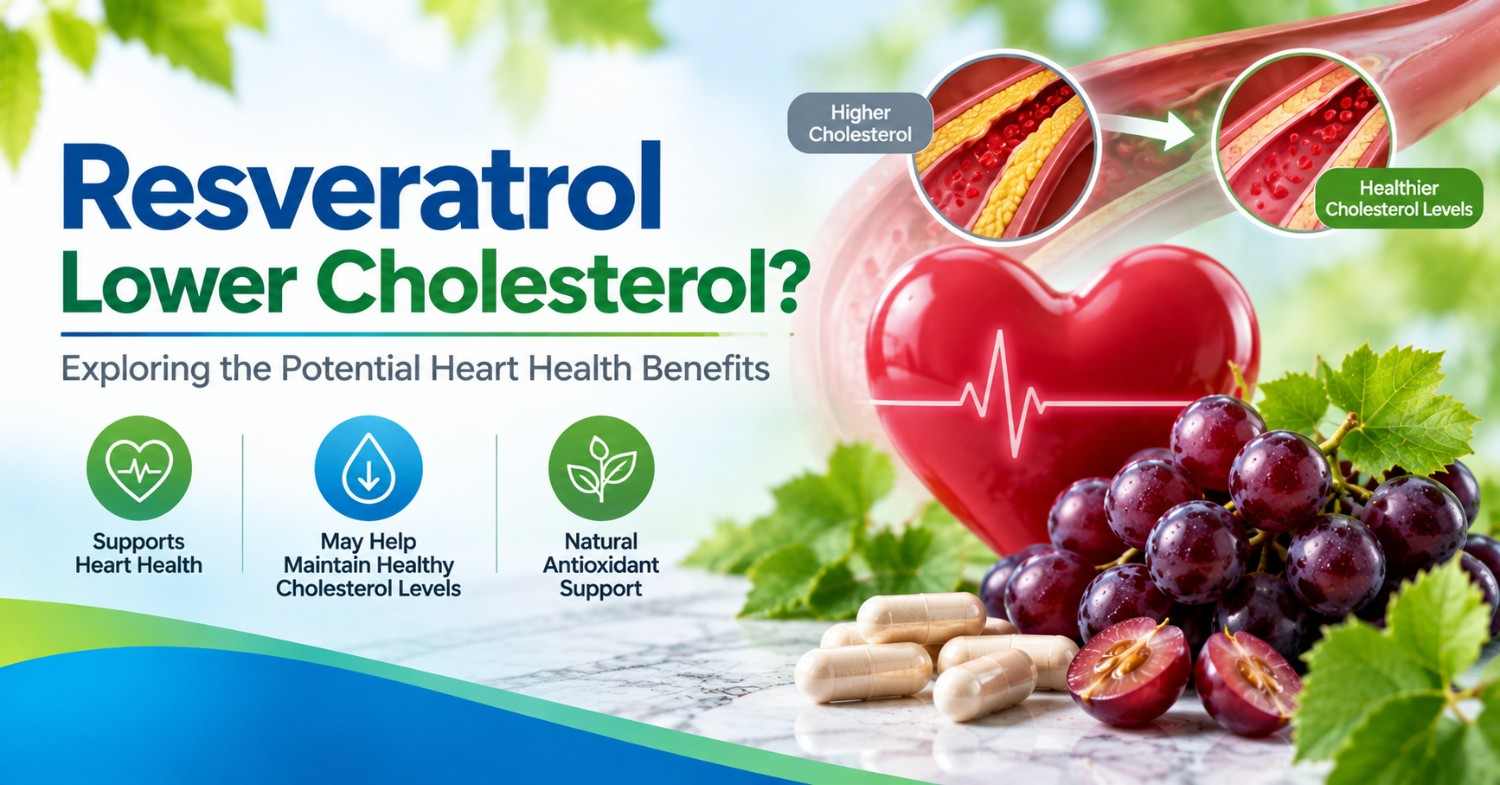
Does Resveratrol Lower Cholesterol? What the Research Actually Shows
The research on resveratrol and cholesterol is genuinely mixed, not settled. Some clinical trial meta-analyses have found no significant effect on total cholesterol, LDL, or HDL. Others — including a more recent 2022 dose-response analysis, found meaningful reductions in total cholesterol and LDL, but specifically at doses of 500 mg/day or higher and durations of…
-
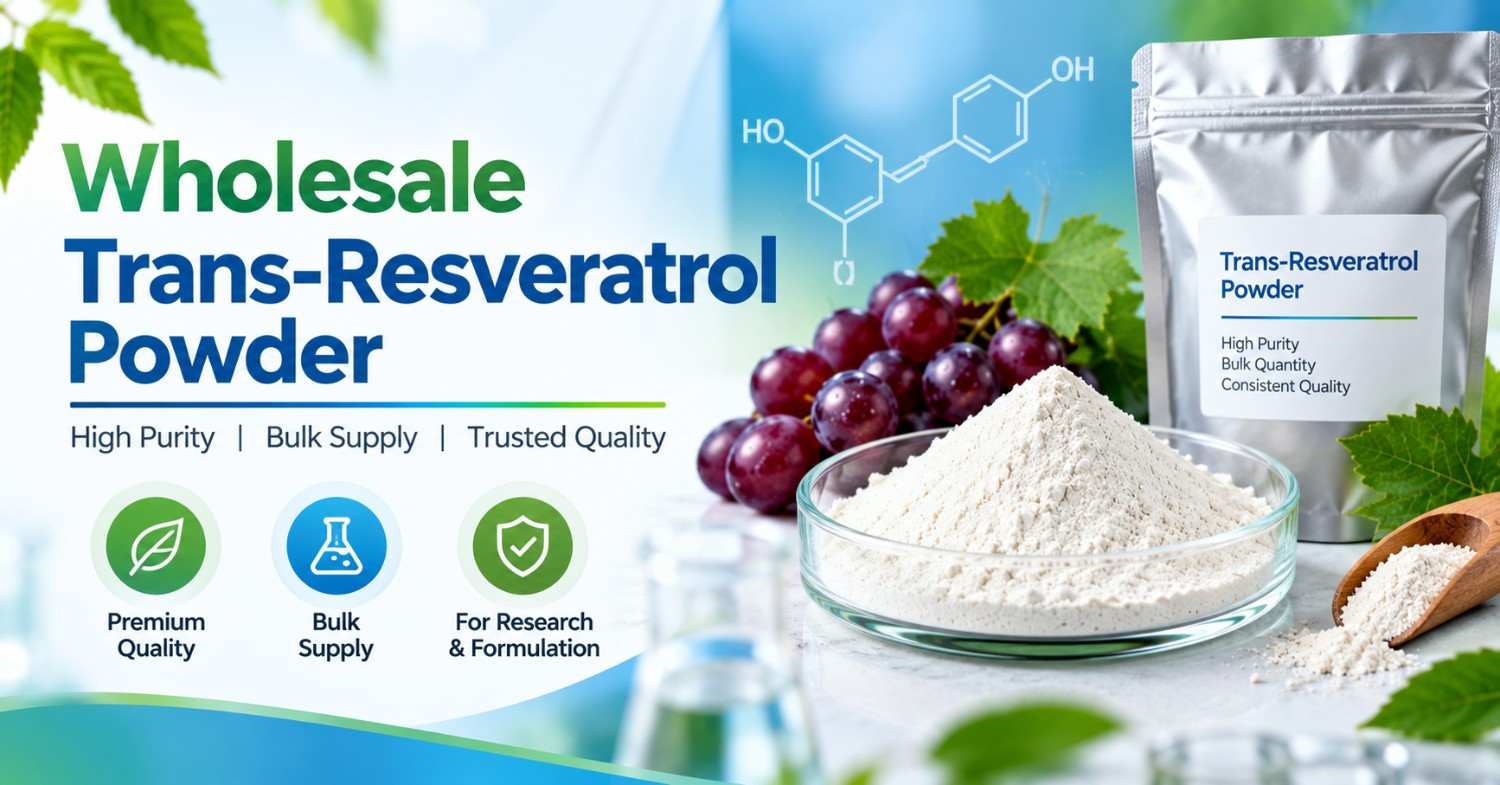
Wholesale Trans-Resveratrol Powder: A Buyer’s Guide
Buying trans-resveratrol powder in bulk — whether for supplement manufacturing, private label formulation, practitioner resale, or research use — comes down to verifying four things before you order: purity percentage with third-party lab certification, extraction source, particle size (for absorption in the final product), and manufacturing compliance. This guide covers what those specifications actually mean…
-
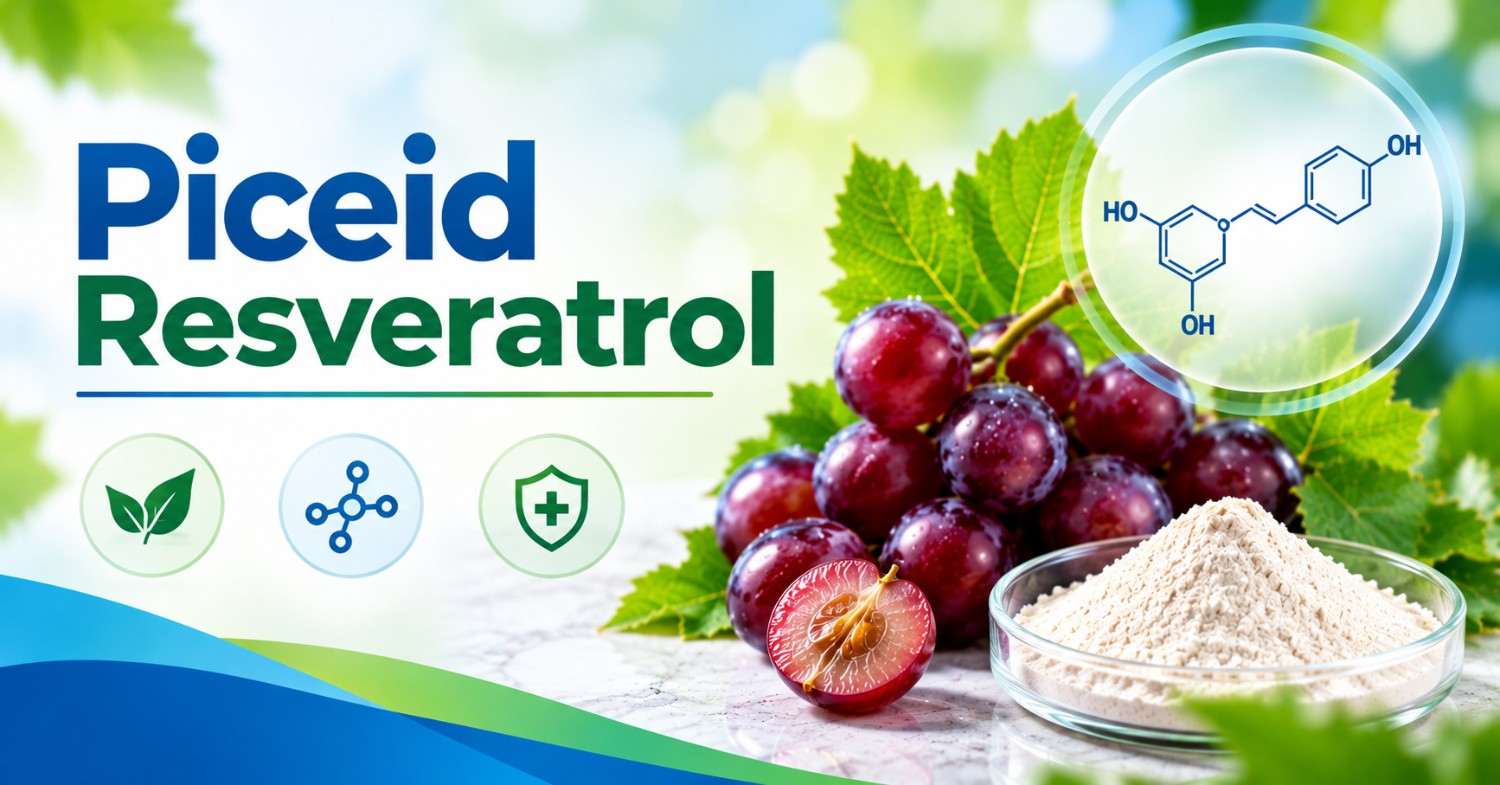
What Is Piceid Resveratrol? Grape-Derived Resveratrol Explained
Piceid is a naturally occurring precursor of resveratrol — specifically, it’s resveratrol bound to a glucose molecule (a glycoside), which makes it more water-soluble than trans-resveratrol on its own. Piceid is the most abundant form of resveratrol found in nature, occurring in high concentrations in red grape skin. The body can convert piceid into resveratrol…
-
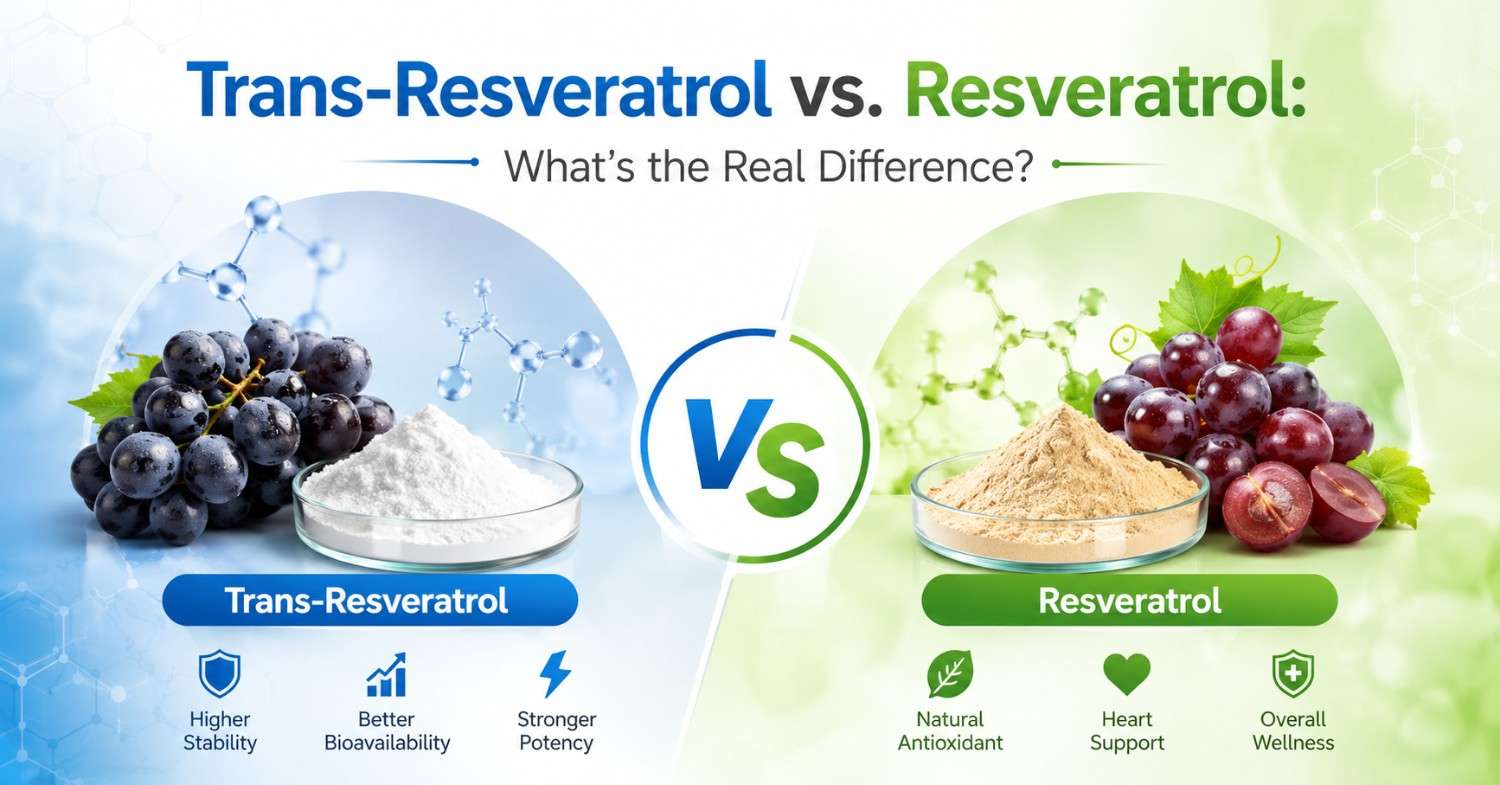
Trans-Resveratrol vs. Resveratrol: What’s the Real Difference?
“Resveratrol” is the name of a compound; “trans-resveratrol” is the specific structural form (isomer) of that compound that’s used in the vast majority of scientific research. Resveratrol naturally exists as two isomers — trans and cis — that share the same atoms but are arranged differently in space. Trans-resveratrol is the more stable, better-absorbed, and…
-

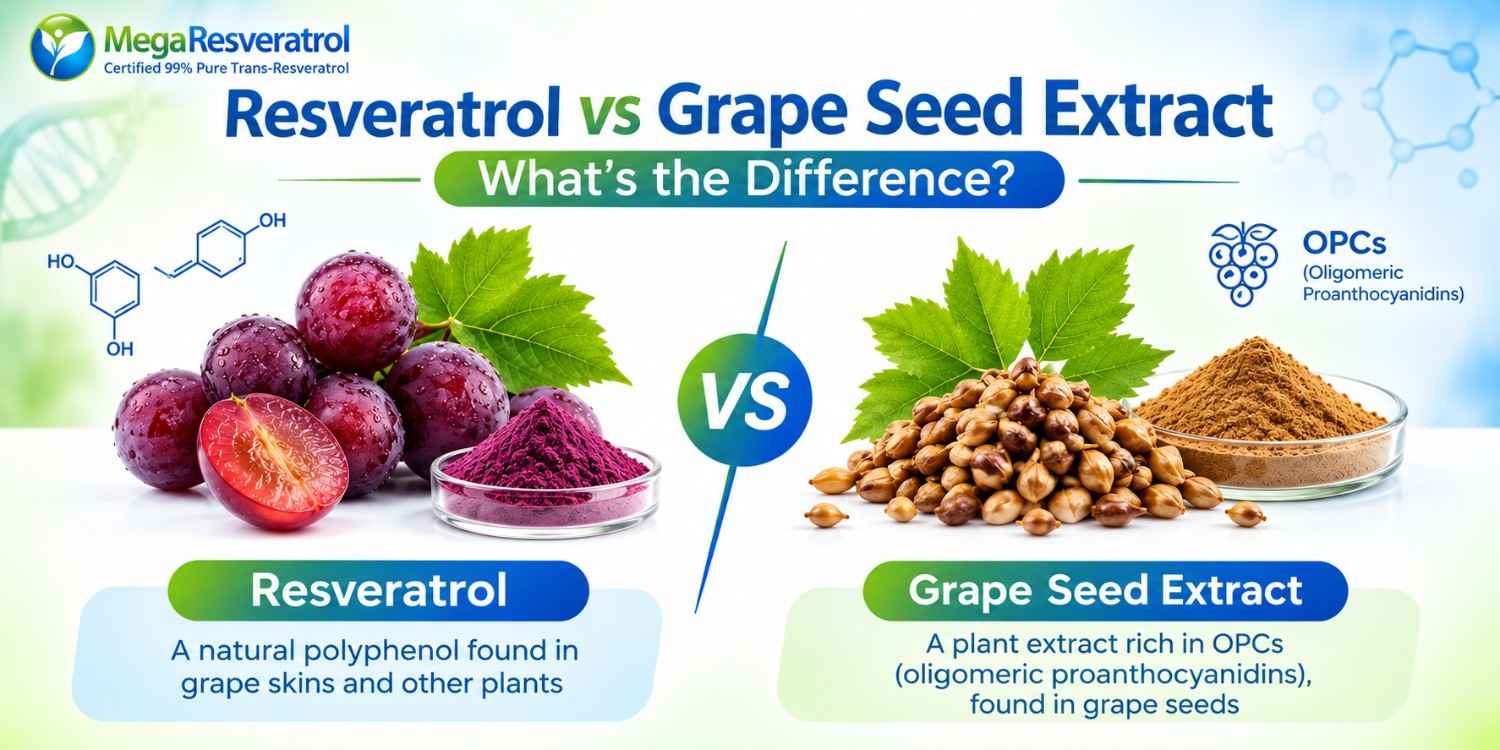
Resveratrol vs Grape Seed Extract: What’s the Difference?
Resveratrol and grape seed extract both come from grapes, but they’re different compounds with different mechanisms, different research bases, and different reasons people take them. Resveratrol is a polyphenol found mainly in grape skin, best known for activating sirtuins — proteins linked to cellular repair and longevity pathways. Grape seed extract is a concentrated source…
-
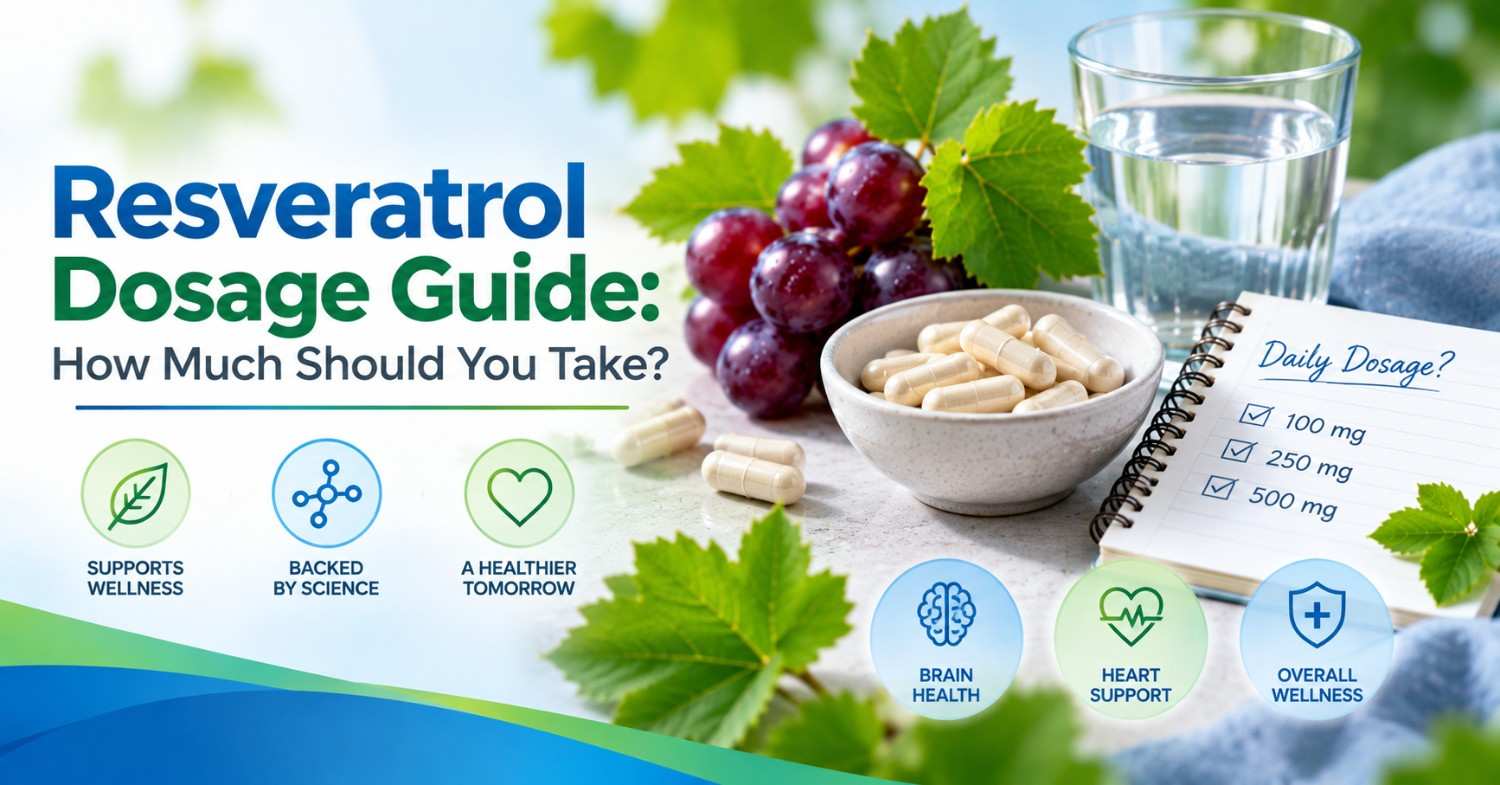
Resveratrol Dosage Guide: How Much Should You Take?
Most adults take between 250 mg and 500 mg of trans-resveratrol daily. Clinical trials have gone considerably higher — up to 5 g/day in repeat-dose safety studies — but higher doses come with a real tradeoff in tolerability, covered below. The right dose depends on your goal, your supplement’s purity, and how your body responds.…
-

Spermidine Benefits
Spermidine is a naturally occurring polyamine compound produced by every cell in the human body. It is also found in food sources including wheat germ, soybeans, mushrooms, aged cheese, and whole grains. First identified in sperm (hence its name), spermidine has since been recognized as a key regulator of cellular health, autophagy, and longevity across…
-
Pterostilbene Supplement Guide
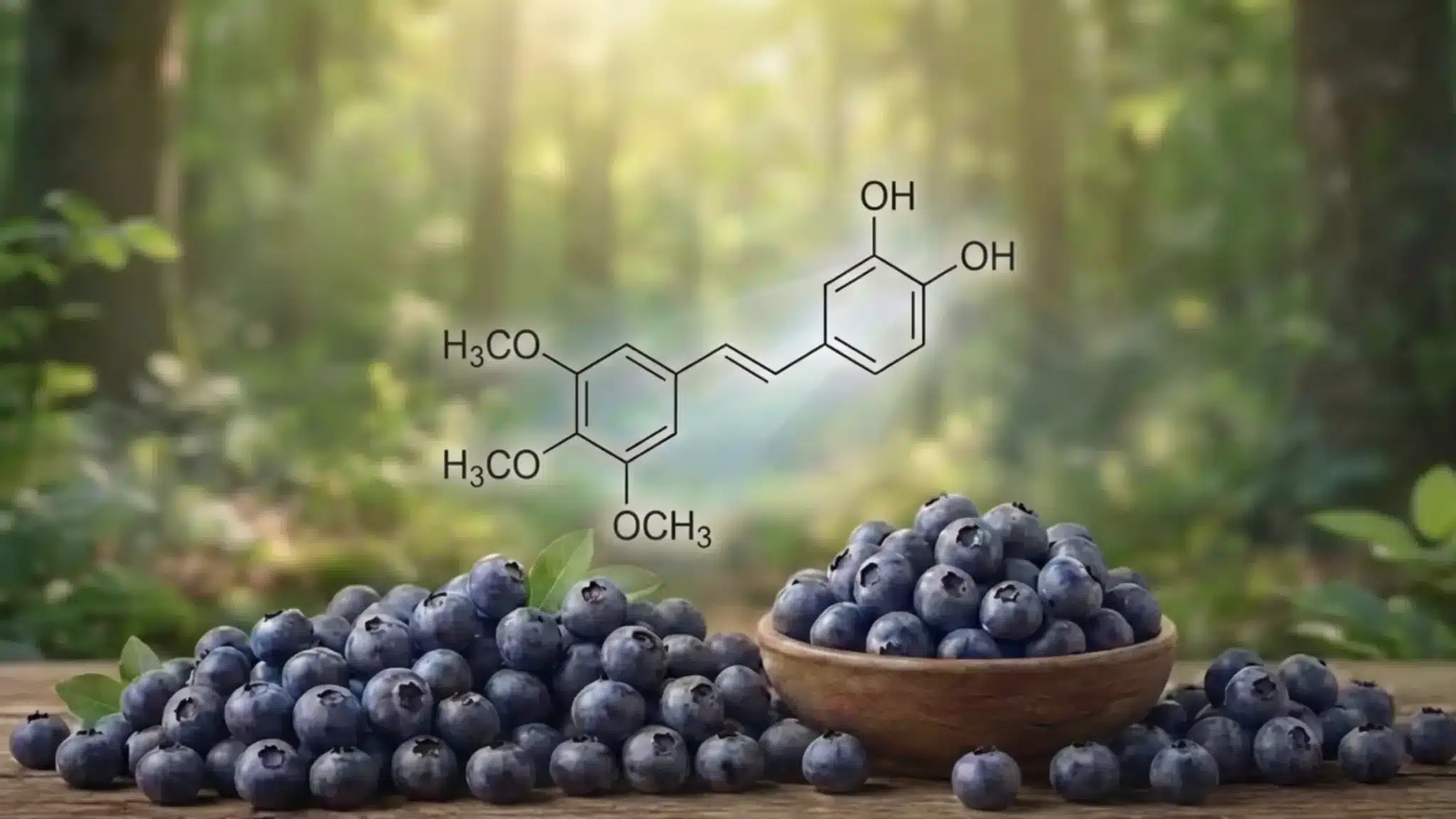
Pterostilbene (pronounced terr-oh-STILL-bean) is a naturally occurring polyphenol found in blueberries, grapes, peanuts, and the bark of the Indian Kino Tree. It belongs to the stilbenoid family, the same chemical class as resveratrol, and has attracted serious scientific attention over the past decade for its antioxidant, anti-inflammatory, and potential anti-aging properties. What sets pterostilbene apart…
-
NMN vs NMNH
As research into cellular health and healthy aging advances, two closely related compounds have attracted serious scientific attention: NMN (Nicotinamide Mononucleotide) and NMNH (Dihydronicotinamide Mononucleotide). If you have been exploring NAD+ supplementation, you have likely encountered the NMN vs NMNH debate. Understanding the exact difference between NMN and NMNH matters because these two molecules take…
-

Best Time to Take Resveratrol
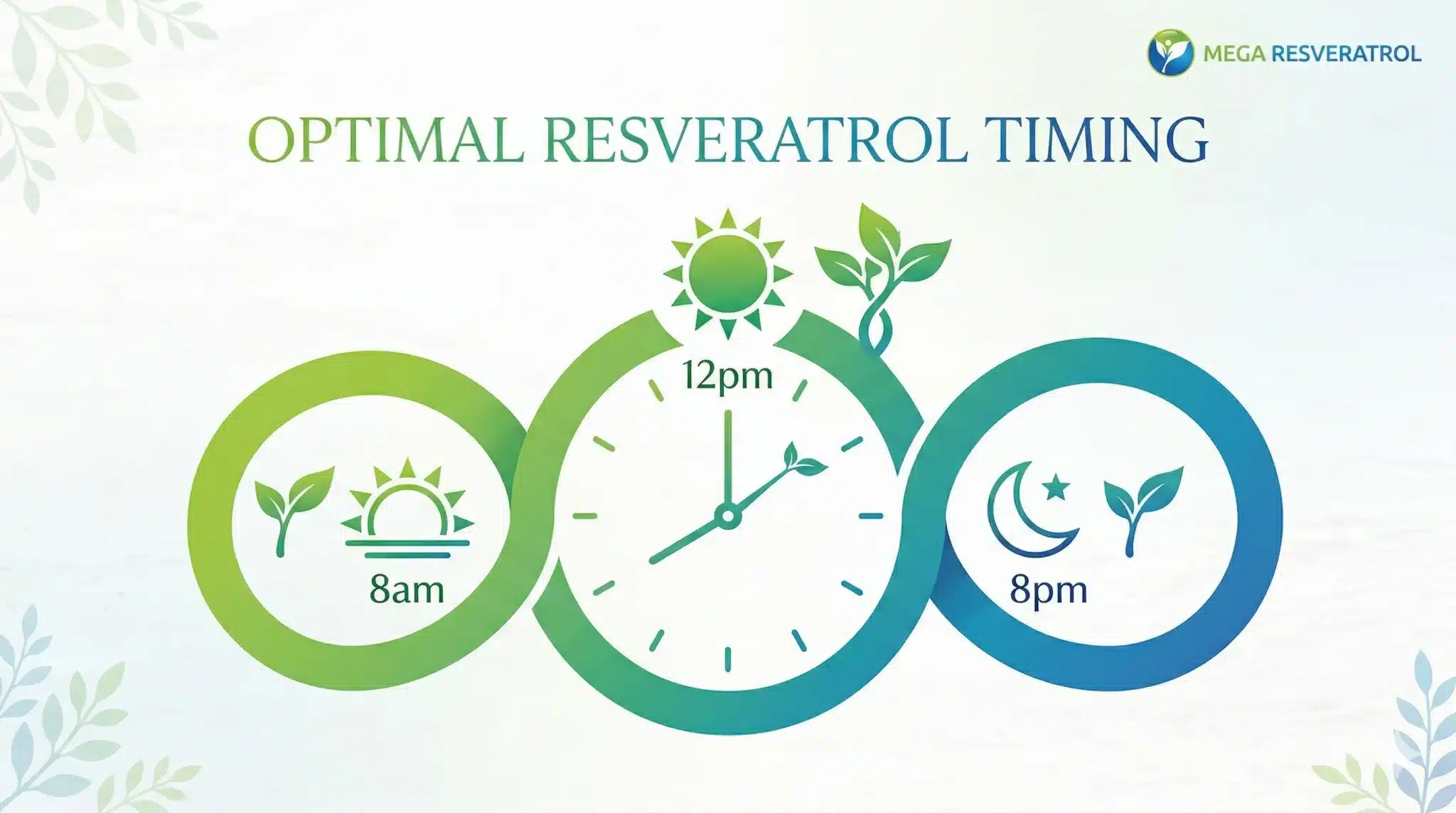
When you take resveratrol matters almost as much as taking it at all. Because resveratrol is fat-soluble, it interacts closely with the body’s circadian rhythm. Consequently, the optimal timing shifts depending on your age and what you are trying to achieve. Furthermore, this guide breaks down the best time to take resveratrol for energy, sleep,…
-
How to Test NAD+ Levels
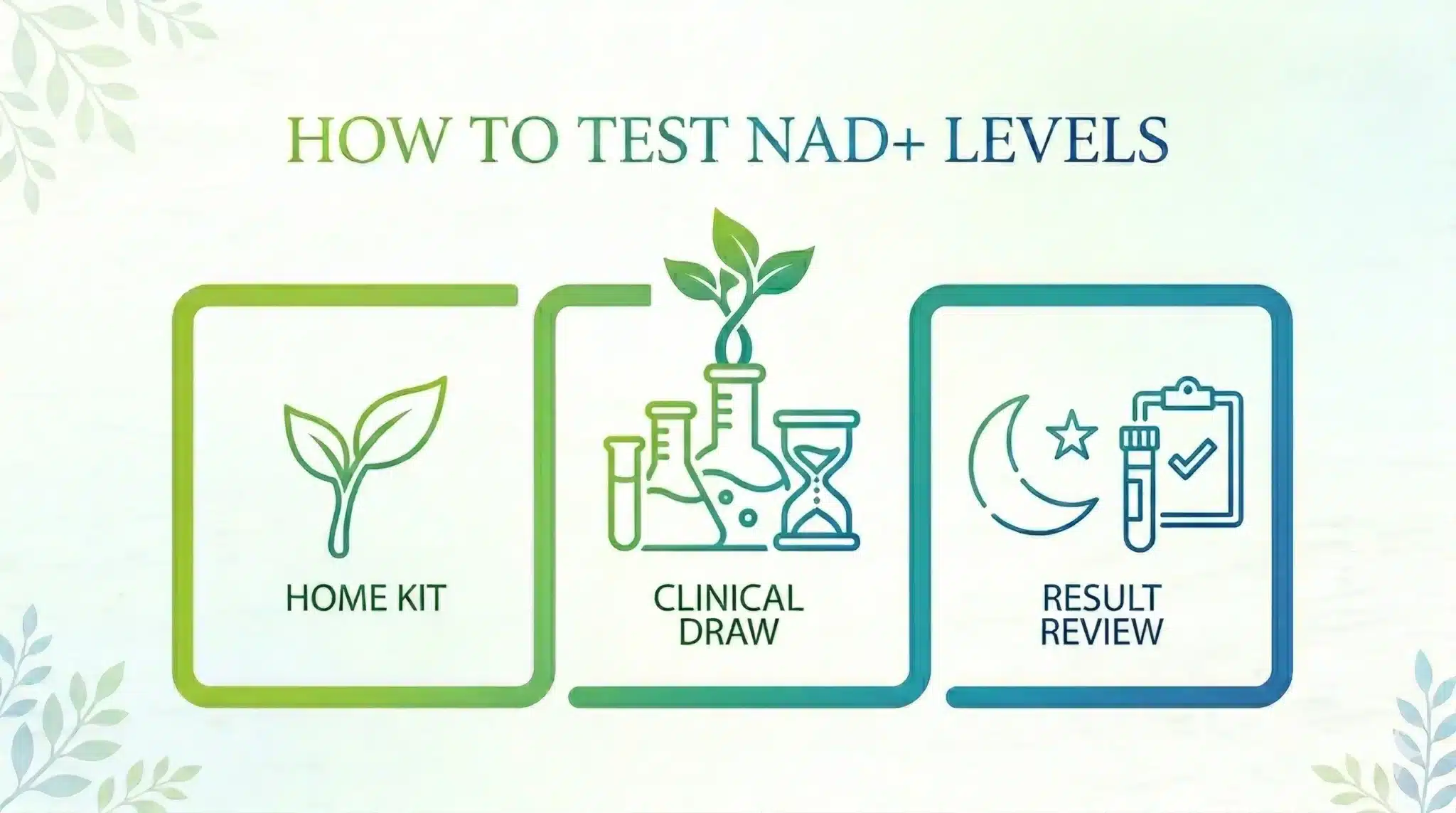
NAD+ is the coenzyme your cells use to produce energy, repair DNA, and regulate hundreds of enzymatic processes. It declines by as much as 50 percent between youth and middle age, yet most people have no idea where their levels stand. Testing your NAD+ levels takes the guesswork out of supplementation, tells you whether your…
-

NMN vs Resveratrol
NMN and resveratrol are two top compounds in longevity science. People often discuss them together because their actions link closely. This guide covers everything in one place: how each works, how they differ, why combining them creates a better routine, which form of resveratrol matters most, when to take NMN with food, and what real…
-
Why Everyone’s Talking About This “Longevity Molecule”
If you’ve ever heard someone say, “Red wine is good for you,” chances are they were talking about resveratrol. Over the last decade, this natural compound has quietly become one of the most talked-about ingredients in the wellness and longevity world. But what exactly is resveratrol, and why does it get so much attention? Let’s…
-
What New Research Says About Resveratrol – 7 Science Backed Benefits
Resveratrol has gone from a “red wine molecule” that everyone talked about, to one of the most studied plant compounds in modern nutrition. Over the past few years, dozens of clinical trials and reviews have looked at how resveratrol may support metabolic health, blood vessel function, inflammation and more. While it is not a magic…
-
Should you be taking Resveratrol?
In our previous blog post we discussed the many benefits of a daily supplement of Pure Trans Resveratrol; however you may be wondering if you personally should be taking Resveratrol. The simple answer to this question is ‘yes’, we would recommend that any adult aged 35 years or over should take Resveratrol. And as for…
-
The Surprising Benefits of Resveratrol Face Cream
If you are a health-conscious individual who exercises regularly, avoids foods that are terrible for you, and pays attention to the latest developments in the world of dietary supplements, you have almost certainly heard of resveratrol. Resveratrol, a natural antioxidant found in grapes (and thus wine), peanuts, dark chocolate, tea leaves, and certain berries, has…
-
What is Micronized Resveratrol, and Why is It Beneficial?
As a supplement user, you try to keep up on all the latest literature and the common terms, but it can be difficult, since there is a lot of information to absorb, and you are probably neither a nutritionist nor a chemistry professor. So you make do with what you can find online and on…
-
What Is Pure Trans Resveratrol, and How Can It Keep You Healthy?
If you are serious about your health, you know you should avoid eating poisonous garbage – no matter how tasty – and exercise enough to burn off your jiggly parts. You should also take time to seek out and learn about dietary supplements that help your body function at its peak, no matter what age…
-
Can Resveratrol Keep Your Heart Healthy?
Cholesterol, Particle Size LDL, and Trans-Resveratrol – A Natural Supplement That Can Save Lives! The arguments about the causes of heart attacks are still raging. Most doctors believe that prescribing statins — which carry terrible side effects — to patients with high cholesterol is the best way to prevent heart attacks. Unfortunately, there are many…